
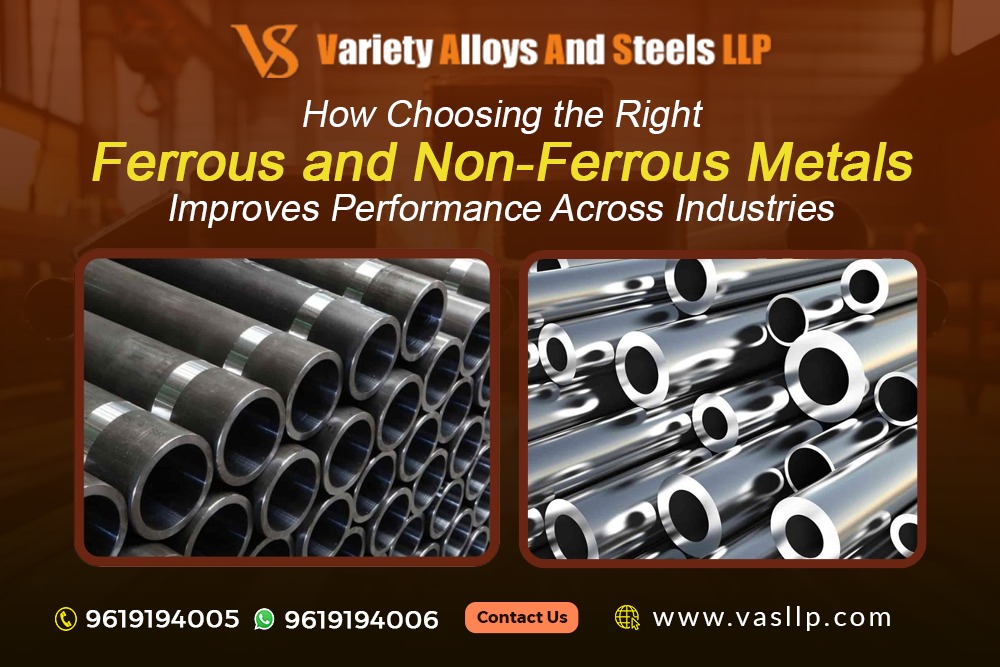
Selecting metals is a design decision that shapes safety, lifecycle cost, and compliance. Grouping options into ferrous and non-ferrous is a practical starting point, yet the real gains come from matching properties to the job. Here is a clear guide for buyers who want dependable outcomes and fewer surprises on site.
Ferrous: strength, stability, and value
Ferrous steels—carbon, alloy, and stainless—deliver high tensile capacity and predictable behavior under load. Structural frames, pressure lines, rail components, and heavy equipment rely on that reliability. Stainless grades add corrosion resistance for food, pharma, and washdown areas. Heat treatability and weldability vary by grade, so drawings should specify hardness ranges, impact values, and weld procedures, not only the name of the alloy.
Non-ferrous: corrosion control and function
Non-ferrous choices widen the toolbox. Aluminum brings low weight and good machinability; copper and brass add electrical conductivity and sealing performance; nickel and titanium handle aggressive media or elevated temperatures. In marine, chemical, electrical, and architectural work, these metals prevent premature failure and reduce maintenance windows.
Why a stockiest matters
A High-Quality Metal Stockiest does more than store bars and sheets. Stock curation, certified mill tests, heat numbers, and thickness tolerances protect projects from hidden risk. Packaging is part of quality: films, edge guards, desiccants, and solid pallets keep material flat, clean, and ready for fabrication. When supply includes verified data, inspection becomes faster and disputes fewer.
Practical selection checklist
Define the environment first: chloride load, temperature, pressure, cleaning agents, and required finish. Next, pick among Ferrous and Non-Ferrous Metals using measurable targets—yield strength, hardness, conductivity, and corrosion rating. Confirm fabrication needs: laser cutting, bending radius, weld process, and post-finish. Finally, lock documentation: MTCs to EN 10204, test methods, and acceptance criteria.
How we help
At Variety Alloys and Steel LLP, we align inventory with real project conditions. As a High-Quality Metal Stockiest, we maintain breadth across Ferrous and Non-Ferrous Metals, then package, label, and certify each order so fabrication can start without delays. The outcome is practical: fewer reworks, cleaner audits, and equipment that lasts as long as the design intended.
Choose metals by evidence, not guesswork; partner with suppliers who prove properties, preserve finish, and stand behind every heat number. That discipline turns drawings into reliable assets—and keeps schedules, budgets, and safety metrics from day one.